A5 vs B5 Composition Notebook: Which Size Should You Choose?
A5 is the more portable choice; B5 gives you more room for notes, tables and diagrams. The labels describe page size, not ruling, capacity or cover construction, so the right decision depends on where you write and how much space each page needs.
Compare the exact dimensions first, then check ruling, page count, cover and binding.


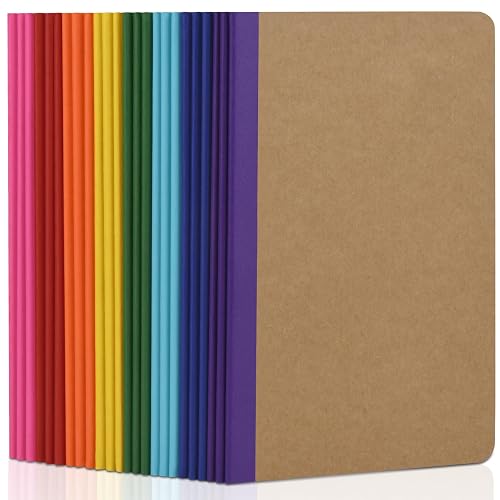


A5 vs B5 composition notebook: the quick decision
Choose A5 when the notebook must fit easily in a smaller bag, share space with other materials or travel throughout the day. Choose B5 when you want a larger writing field without moving all the way to A4 or US Letter size.
- A5 favors portability and compact everyday notes.
- B5 favors writing area for denser classes, diagrams and wider page layouts.
- Neither size determines ruling or capacity. Those specifications still require a separate check.
Verify the dimensions behind the label
Size names are useful only when the measurements are clear. LEUCHTTURM1917 currently lists its Medium A5 format at 145 × 210 mm and its Composition B5 format at 178 × 254 mm. Rhodia’s current catalogue also distinguishes an A5 composition book from a larger traditional composition format.
Do not assume every marketplace listing uses ISO dimensions perfectly. Some sellers apply A5 or B5 loosely, so compare the stated millimeters or inches rather than relying on the title alone.
Choose A5 when carrying comfort matters most
An A5 book takes less desk and bag space. It can suit meeting notes, journaling, language vocabulary and short class sessions where you do not need wide tables or large diagrams.
The trade-off is a narrower writing field. Long equations, side-by-side comparisons and broad mind maps can feel compressed, especially if margins or a large handwriting style reduce usable space further.
Choose B5 when the page must do more
B5 sits between A5 and larger A4 or Letter formats. That middle position can work well for lecture notes, project planning, science diagrams and mixed text-and-visual pages. More surface area also lets you separate headings, examples and annotations without crowding them.
The cost is physical bulk. A B5 notebook occupies more of a small desk and bag, and cover type plus page count can make that difference more noticeable.
Ruling can outweigh the size decision
A compact dot-grid A5 notebook may organize flexible layouts better than a lined B5 book, while a graph-ruled B5 book can give equations and diagrams more structured space. Decide what goes on the page before treating size as the only variable.
For the individual formats, compare our A5 composition notebook guide and B5 composition notebook guide. If you need a broader overview, use the composition notebook size guide.
Do not infer page count from footprint
A larger notebook does not automatically contain more sheets. Current LEUCHTTURM1917 configurations show that page count can change with both size and hardcover versus softcover construction. Check whether a seller counts physical sheets or writable page sides before comparing capacity.
Cover and binding change the carry trade-off
A softcover can reduce weight and flex more easily inside a bag. A hardcover can provide more writing support away from a desk, but it adds rigidity and usually more weight. Thread-bound and other lay-flat constructions can improve access near the center of the book, yet opening behavior should be verified for the exact product.
Buying checklist
Use this order to avoid choosing from the format name alone.
- Verify the exact width and height.
- Decide whether portability or writing area matters more.
- Choose lined, graph, dotted or plain pages for the actual task.
- Compare sheets with sheets, not sheets with page sides.
- Check hardcover versus softcover weight and rigidity.
- Confirm the school, course or workplace requirement.
Bottom line
A5 is usually the better carry size, while B5 is the better workspace size. The best composition notebook is the one that gives enough page area without becoming inconvenient to bring and use.
Frequently asked questions
These answers focus on the practical size choice rather than treating either label as a universal standard.
Is B5 larger than A5?
Yes. In the current LEUCHTTURM1917 range, Medium A5 is 145 × 210 mm and Composition B5 is 178 × 254 mm. Verify the exact product because brands sometimes use approximate size labels.
Which is more portable, A5 or B5?
A5 is usually easier to carry because it has a smaller footprint. B5 gives more writing area and can be more comfortable for tables, diagrams and spread-out notes.
Does B5 always have more pages than A5?
No. Physical size and page count are separate specifications. Cover type and product line can also change capacity, so compare the exact listings.
Which size is better for class notes?
Choose A5 for lighter carry and shorter notes; choose B5 when page space matters more. A course requirement should override a general preference.
RELATED POST
